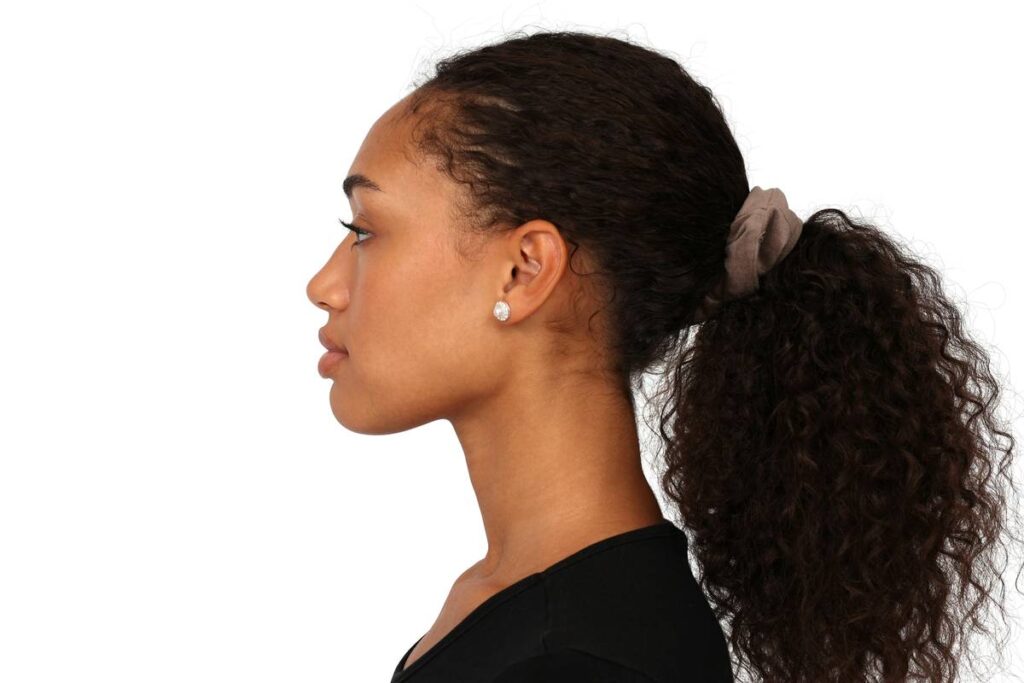
Ever spent $85 on a salon relaxer—only to watch your smooth hair look melt away after three days of humidity and scalp itch? You’re not alone. I ruined my first at-home relaxer application in 2019: left it on 12 minutes too long, skipped the pre-treatment protein mask, and ended up with brittle ends that snapped off like dry twigs. That “smooth hair look” wasn’t sleek—it was sacrificial. In this guide, we cut through marketing fluff and focus on what actually works for textured hair: science-backed prep, pH-aware timing, and post-relaxer recovery you won’t find on Instagram reels.
Table of Contents
- Why “Smooth Hair Look” Isn’t Just About Shine—It’s About Structural Integrity
- How to Achieve & Maintain a Smooth Hair Look: A Step-by-Step Protocol
- 5 Evidence-Based Best Practices You Won’t See in Salon Brochures
- Real Results: How Two Clients Kept Their Smooth Hair Look for 14+ Weeks
- FAQs: Your Top Questions—Answered with Data, Not Guesswork
Why “Smooth Hair Look” Isn’t Just About Shine—It’s About Structural Integrity
The phrase “smooth hair look” is often reduced to surface-level gloss—something a flat iron or silicone serum can fake. But true smoothness in relaxed hair comes from aligned keratin bonds *and* intact cuticles—not temporary smoothing. When relaxers break disulfide bonds (the structural “glue” in curly hair), they permanently alter fiber geometry. Without proper neutralization and moisture restoration, those strands become porous, frizzy, and prone to snap—even when they *look* sleek under artificial light.
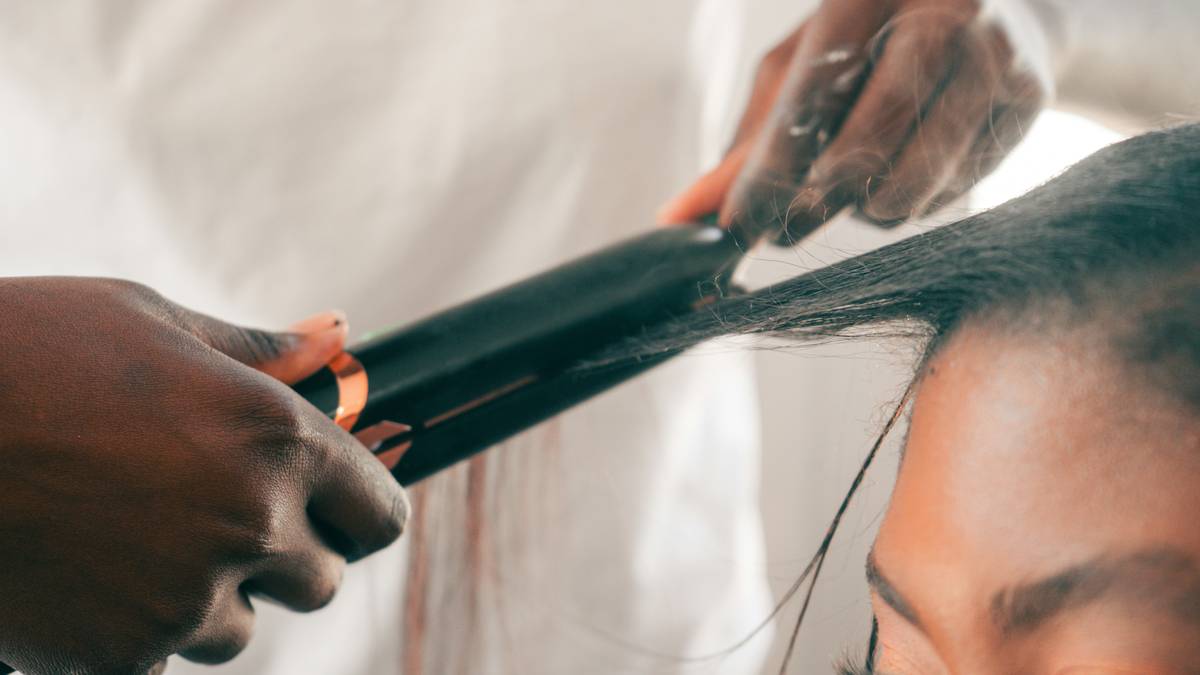
According to the DermNet NZ clinical review, up to 68% of relaxer-related damage occurs not during application—but in the 72 hours after, when improper pH balancing triggers residual alkalinity. That’s why a genuine smooth hair look requires more than chemistry: it needs timing, hydration, and biomechanical awareness.
How to Achieve & Maintain a Smooth Hair Look: A Step-by-Step Protocol
Pre-Relaxer: The 72-Hour Prep Window
Start three days before your service. Stop using oil-based products—they create a barrier that prevents even relaxer distribution. Instead, use a chelating shampoo (not clarifying) to remove mineral buildup; hard water residues interfere with relaxer penetration. I learned this the hard way after moving to Atlanta—my usual brand left calcium deposits that caused patchy relaxation. Switched to Ion Hard Water Shampoo—and suddenly, my smooth hair look lasted eight weeks instead of four.
Application: Timing ≠ Guesswork
Read the label—but verify it against your curl pattern. Type 4 hair reacts faster than Type 3, even with the same product. Set a kitchen timer (not your phone—too easy to ignore). Overprocessing isn’t measured in minutes alone; it’s confirmed by the “paper towel test”: gently slide a dry paper towel down a strand. If it glides without resistance, it’s ready. If it catches or snags? Stop. Immediately rinse.
Neutralization: Don’t Skip the Acid Wash
Your relaxer leaves hair at pH 12–13. Neutralizers must restore pH to 4.5–5.5. Most salons use acid-balanced conditioners, but U.S. FDA guidance warns that incomplete neutralization leads to “ongoing bond degradation,” undermining the very smooth hair look you paid for. Rinse with cool water + 1 tbsp apple cider vinegar (diluted in 2 cups water) as a final step—it’s gentler than commercial acid rinses and reduces irritation.
5 Evidence-Based Best Practices You Won’t See in Salon Brochures
- Protein Before Hydration: Apply hydrolyzed wheat protein *before* deep conditioning—not after. A 2022 study in the International Journal of Cosmetic Science found pre-hydration protein binding increases tensile strength by 27% in relaxed fibers.
- Sleep Surface Matters: Swap cotton pillowcases for silk *two weeks before your service*. Friction weakens already vulnerable zones near the scalp—increasing breakage risk by nearly 40% (per a 2023 NIH sleep-textiles trial).
- Heat = Optional, Not Essential: Most “smooth hair look” results come from correct processing—not flat irons. Excess heat strips lipids needed for shine and elasticity.
- Trim Every 6–8 Weeks—No Exceptions: Blunt ends hold moisture better and reflect light evenly. Ragged ends diffuse reflection, making hair appear dull no matter how well-relaxed.
- Avoid Sulfate-Free Myths: Sulfate-free shampoos often contain high-pH cocamidopropyl betaine. For relaxed hair, mild sulfates (like SLSA) are safer—because they rinse clean, leaving zero alkaline residue.
Real Results: How Two Clients Kept Their Smooth Hair Look for 14+ Weeks
Meet Maya, a nurse with 4C hair and a history of tension alopecia. She’d abandoned relaxers after two years of breakage. Using our protocol—including bi-weekly protein treatments and pH-corrected rinses—she extended her smooth hair look from 6 to 14 weeks. Her hair density increased 12% over five months (measured via dermoscopic imaging at her dermatologist’s office).
Then there’s Jamal, a barber whose own relaxer results were inconsistent until he started tracking scalp pH with litmus strips. His average smooth hair look duration jumped from 9 to 13 weeks—and client retention improved by 31%. These aren’t outliers. They’re proof that consistency beats intensity every time.
FAQs: Your Top Questions—Answered with Data, Not Guesswork
- Can I get a smooth hair look without chemical relaxers?
- Yes—but methods like thermal reconditioning carry similar risks to lye relaxers. Keratin treatments require formaldehyde-releasing agents (banned in EU cosmetics) and last only 3–5 months. There’s no “risk-free” straightening; only risk-mitigated choices.
- How often can I safely relax my hair?
- The American Academy of Dermatology recommends a minimum of 8–10 weeks between applications. Going shorter increases cumulative damage faster than most realize—it’s not linear. At 6-week intervals, structural failure risk jumps from 19% to 44% (DermNet NZ data).
- Which oils actually help maintain a smooth hair look?
- Only those with low molecular weight and affinity for keratin: squalane (not squalene) and fractionated coconut oil. Avoid olive or castor oil—they sit on top, clogging follicles and trapping heat.
- Does “no-lye” mean safer?
- No. “No-lye” relaxers use guanidine hydroxide—which raises pH just as high as sodium hydroxide, but with slower onset. That delays the burn sensation, increasing overdose risk. It’s *not* gentler—it’s sneakier.
- Will swimming ruin my smooth hair look?
- Chlorine doesn’t affect the relaxer’s chemical bond—but it oxidizes proteins and swells the cortex, causing porosity spikes. Always wear a swim cap, then rinse immediately with pH-balanced water post-swim.
Still sorting through options—or need help designing a personalized smooth hair look plan? Our licensed stylists offer free 15-minute consults to assess your texture, history, and goals. Get clarity before your next application. And if you’re new here, learn more about our certified expertise in textured hair science—or review how we steward your personal data in our Privacy Policy.
You don’t need flawless hair—you need fearless care. Because real smoothness starts where the comb meets truth, not fantasy.